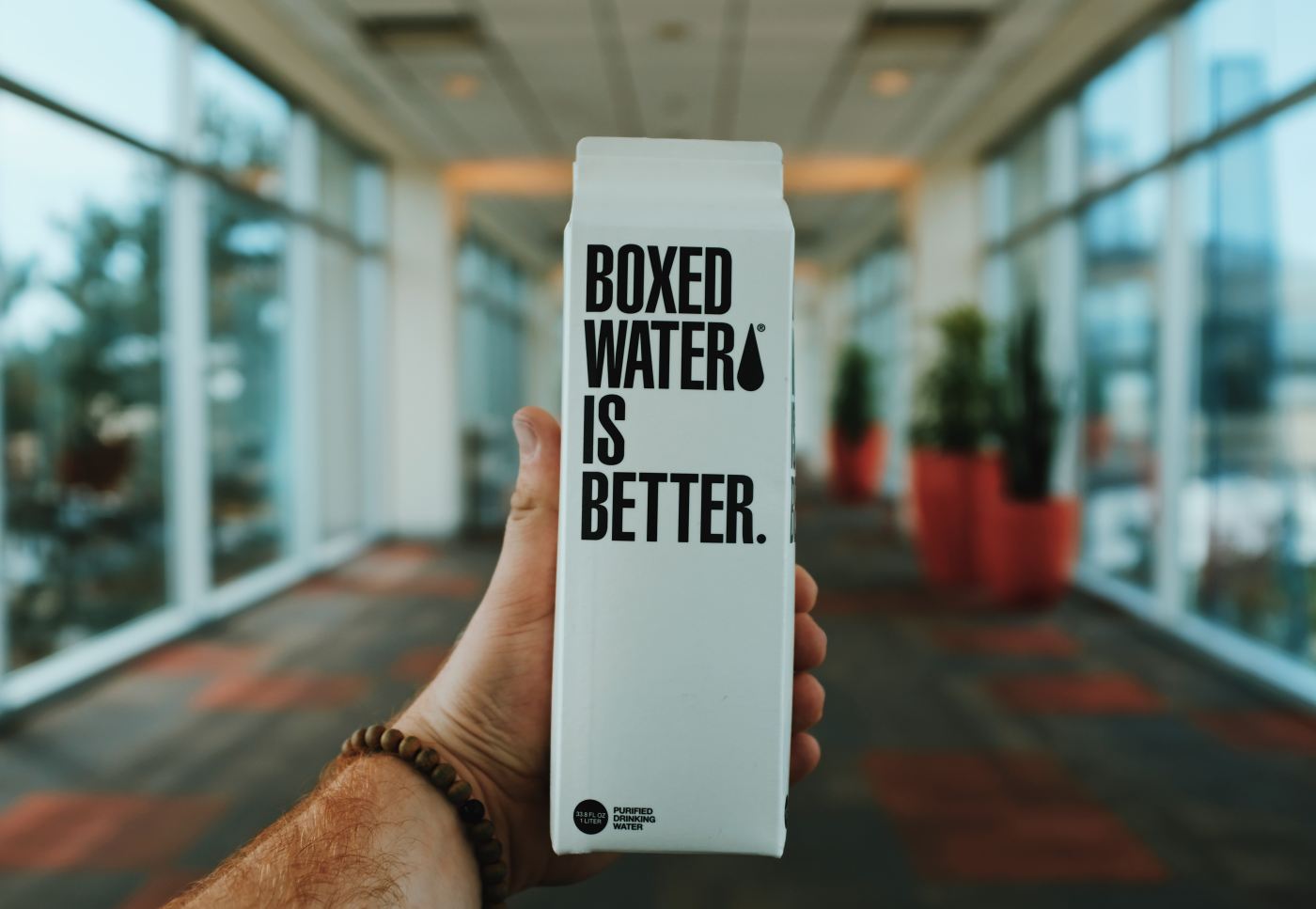
Photo by Blake Guidry on Unsplash
I’ve recently read, or should I say devoured Dreyer’s English An Utterly Correct Guide to Clarity and Style. I never imagined I’d find a replacement for Strunk & White. Still, it seems that a century after The Elements of Style was first published (a book that changed my writing and my career), I now have a new bible. A new guide that’s not just an excellent source for creating good copy, it’s also a great read that has me seesawing between laughter and cringing at the memory of my past mistakes.
One of my favorite chapters in Dreyer’s English is number 9, Peeves and Crotchets, which includes common pitfalls of writing and the many cases of abuse of the English language — all delivered with fantastic wit. Unfortunately, my pet peeve, related to the word better, is missing.
It’s a simple word and used in context; there’s nothing better. For example:
- The fuel consumption in our new car is better than our old one.
- The food is better at my local store than at the hypermarket.
- My son has a better education than I do.
So far, so good. There is little room for misinterpretation. The reader is free to make up their mind about what has improved, which in some cases is fine.
Looking at the image I’ve chosen for this post, some people will finish the sentence on the carton, so that it reads: boxed water is better… better than in a plastic bottle. Some might think boxed-water is better because the stuff that comes out of their tap tastes like a visit to the dentist. And for the 600 million people who don’t have access to an improved water source, they might be wondering why you’d box water at all.
Continuing with this train of thought, if you ask yourself the question, why is my son’s education is better than mine, you might come up with several responses:
- The education system today is more efficient than it was in the 1970s. So at 15, my son has learned more than I had at the same age — a subjective opinion about the education system in any given country/state/region.
- Teaching methods have evolved. Children today are taught to think and make their own minds up about how they want to solve problems — which is a subjective opinion about teachers based on the assumption that teaching methodologies have evolved.
- I completed high school, whereas he is currently studying for his Ph.D. — contextual information that’s missing from the original sentence.
- He grew up in a country where education is free and available to everyone, whereas I didn’t — again contextual information that’s missing from the original sentence.
The truth of the matter is. It’s probably a mix of the first two, but that’s not the point of this story.
My problem comes when the meaning isn’t clear and there is no context to provide it. And, it seems to me that the problem occurs more often in short headlines, sub-headers, and taglines.
Imagine a highway billboard advertising a car dealership. It states better cars, better deals, better driving.
You might think that’s fine, and under different circumstances, I might agree with you. But if you are in the market for a new car, would these words entice you enough to exit the highway and take a look?
Unfortunately, when you work with words as much as I do. They sometimes morph into weirdness. When I see headlines like this, it sets off a multitude of questions in my head because I don’t know what we are comparing with; better cars than what? Better than the one I am driving, or better than the one in front of me? And why is it better? Because it consumes less gas, or because it’s a 4WD and that will ensure that I can get my kids to school after a snowstorm, or is it because it’s electric and that’s clearly a better option? The point is that better is highly subjective. People interpret the word better, depending on their personal needs and current circumstances.
So, what to do?
How does the copywriter solve this issue? I don’t have a definitive answer, but I feel that similar words such as improved, larger, bigger, greater, and so on, they all suffer from the same disease.
In standalone copy, I tend to opt for words like enriched and enhanced, because these words contain an understanding of improvement to the same object. In other words, the current version of <whatever it is you are trying to sell> is better than the previous version of it. The addition of the prefix en-, meaning in or within, somehow helps to convey the concept of self-improvement, which hopefully then turns the statement into an objective one.
What words do you use?
I’d love to year your ideas on words that are better than better. So drop me a line in the comments below.
 dpdoyle
Leave a comment